From Chaos to Connection (Copy 1)
0% Completed
Welcome
🌱 Module 1: Foundation & Mindset
Theme: Laying the emotional groundwork for joyful, resilient reading.
Before we build skills, we build mindset. This module helps parents shift from correction to connection—seeing mistakes as moments for growth and collaboration. You’ll learn to nurture motivation, model authentic joy, and partner with teachers to create a united reading village that supports your child’s confidence from the inside out.
🌸 Module Takeaway
When parents reframe challenges, nurture curiosity, and model joy, reading shifts from obligation to opportunity. The mindset you plant here becomes the root system for every confident reader who blooms from your care.
💫 Lesson 1.1 – Reframing Reading Struggles into Opportunities
Reading
Activity 1.1: In-the-Moment Response Script – When Your Child Stumbles
Reading
🔥 Lesson 1.2 – Understanding Motivation & Interest
Reading
Activity 1.2: 🗣️ Think-Aloud Scripts
Assignment
Activity 1.2: 🗣️ Think-Aloud Scripts
Reading
Activity 1.2: 🌼 Reigniting Interest
Reading
Activity 1.2: 🌿 Book-Matching Decision Tree
Reading
Activity 1.2: 🪄 Engagement Tracker
Reading
💛 Lesson 1.3 – Modeling Joyful Reading
Reading
Activity 1.3: ⏳ Daily Modeling Micro-Habits
Reading
Activity 1.3: 🕯️ Family Reading Rituals
Reading
Activity 1.3: 💃 Body Language Guide
Reading
🏫 Lesson 1.4 – Partnering With Teachers and Schools
Reading
Activity 1.4: 💪 Advocacy Scripts
Reading
Activity 1.4: 📘 Progress Documentation System
Reading
Activity 1.4: 💬 Conversation Starters
Reading
Activity 1.4: 🗂️ Meeting Preparation Checklist
Reading
🧩 Additional Reasons for Stumbles
Reading
🧠 Ways to Learn More
Reading
The 5-Minute Spark
Reading
Reading Rhythms
Reading
Bloom Bites - One Petal, One Practice
Reading
Tonight's Nook Nudge
Reading
🔍 How Parents Can Step Back, Pause and Be Curious
Reading
💭 Engagement Cues
Reading
🗒️ Module One Summary
Reading
🔍 Checklist - Modelling Joyful Reading
Reading
💡 Spot the Spark - Daily Observation Tracker
Reading
💡 Spot The Spark Weekly Reflection
Reading
💡Nurturing the Spark - Action Ideas
Reading
💡 Spot The Spark - Monthly Spark Summary
Reading
🌱 Reframing Reading Struggles
Reading
Reframing Reading Struggles
Reading
Reframing Reading Struggles2
Reading
Reflections Test
Reading
Module one Activities
🌿 Module 2: Environment & Book Selection
Theme: Crafting spaces and selecting stories that nurture autonomy, curiosity, and connection.
In this module, you’ll learn how to make reading feel like an irresistible invitation—not a requirement. You’ll transform both the physical and emotional environment so reading time feels safe, cozy, and joyfully child-led. From creating the perfect nook to choosing books that meet your child right where they are, every lesson helps you set the stage for deeper engagement and lifelong love of reading.
🌸 Module Takeaway
Creating the right environment and book match transforms reading from an activity into a relationship. When children feel comfortable, capable, and represented, they don’t just read more—they love to read.
🪴 Lesson 2.1 – Creating Cozy Reading Spaces
Reading
Activity 2.1: 🌸 Cozy Space Planner
Reading
📚 Lesson 2.2 – Choosing Developmentally Appropriate Books
Reading
🌎 Lesson 2.3 – Building a Diverse & Inclusive Library
Reading
⏰ Lesson 2.4 – Managing Reading Time & Attention Spans
Reading
Ways to Learn More
Reading
The 5-Minute Spark
Reading
Reading Rhythms
Reading
Bloom Bites - One Petal, One Practice
Reading
Tonight's Nook Nudge
Reading
📸 Activity: Interest Safari
Reading
🎶 Activity: Soundtrack of Me
Reading
Activity: 📖 Build-a-Book
Reading
🧠 Is This Book Right? The 5-Question Quiz
Quiz
🧩 Peek Inside the Page: How Hard Is This Text?
Quiz
🧩 Wrong-Book Rescue Strategies
Reading
🌿 Lesson 2.4: Managing Reading Time & Attention Spans
Reading
📔 1. 7-Day Attention Observation Log
Reading
⏱️ 2. Session Length Progression Plan
Reading
🧰 3. Attention Rescue Toolkit
Reading
🕰️ 4. Daily Schedule Templates for Different Family Structures
Reading
📈 5. Success Metrics – “How Do You Know It’s Working?”
Reading
📖 Module 3: Read-Aloud Techniques
Theme: Bringing stories to life through voice, movement, and connection.
In this module, you’ll learn how to turn every story into a shared adventure—one that engages your child’s imagination, strengthens comprehension, and deepens your bond. Through expressive reading, playful interaction, and mindful conversation, you’ll discover how to make read-aloud time not just educational, but magical.
🌸 Module Takeaway
When you read with heart, stories become more than words—they become shared worlds. This module helps you infuse warmth, curiosity, and creativity into every read-aloud moment so your child feels connected, confident, and eager for more.
✨ Lesson 3.1 – Voice, Rhythm & Expression
Reading
🎭 Lesson 3.2 – Props, Movement & Sensory Engagement
Reading
💬 Lesson 3.3 – Interactive Questioning & Prediction
Reading
🎲 Lesson 3.4 – Storytelling Games & Retelling
Reading
🕊️ Lesson 3.5 – Handling Difficult Topics & Emotions in Books
Reading
Ways to Learn More
Reading
The 5-Minute Spark
Reading
Reading Rhythms
Reading
Bloom Bites - One Petal, One Practice
Reading
Tonight's Nook Nudge
Reading
🧠 Module 4: Skill Development
Theme: Weaving skills into joyful, meaningful reading moments.
This module shows you how to build core reading skills—phonics, comprehension, independence, and learning-style alignment—without sacrificing connection or fun. You’ll learn simple, research-aligned moves that fit naturally into read-alouds and everyday routines.
🌸 Module Takeaway
Skills stick when they’re woven into stories with warmth, intention, and child-led choice.
🔤 Lesson 4.1 – Phonics & Word Recognition in Context
Reading
🗣️ Lesson 4.2 – Boosting Comprehension Through Conversation
Reading
🌟 Lesson 4.3 – Encouraging Independent Attempts without Pressure
Reading
🎛️ Lesson 4.4 – Supporting Different Learning Styles
Reading
Ways to Learn More
Reading
The 5-Minute Spark
Reading
Reading Rhythms
Reading
Bloom Bites - One Petal, One Practice
Reading
Tonight's Nook Nudge
Reading
🔄 Module 5: Integration & Sustainability
Theme: Make reading effortless by embedding it into daily life.
You’ll learn to transform ordinary routines, tech tools, and family traditions into steady engines for literacy—so reading thrives even on busy days.
)
🌸 Module Takeaway
Consistency > intensity. When reading lives in your routines and relationships, motivation blooms naturally.
⏱️ Lesson 5.1 – Turning Routines into Reading Moments
Reading
📲 Lesson 5.2 – Digital Tools, Audiobooks & Beyond
Reading
🏡 Lesson 5.3 – Family Reading Rituals & Challenges
Reading
🤝 Lesson 5.4 – Creating Reading Communities & Social Connections
Reading
Ways to Learn More
Reading
The 5-Minute Spark
Reading
Reading Rhythms
Reading
Bloom Bites - One Petal, One Practice
Reading
Tonight's Nook Nudge
Reading
📈 Module 6: Assessment & Growth
Theme: See progress, build confidence, and plan the next gentle step.
Track growth the positive way, elevate choice and voice, troubleshoot bumps, and guide the transition to independent reading—while keeping connection at the center.
🌸 Module Takeaway
Measure what matters, celebrate often, and keep the next step small and doable. Independence grows from supported success.
📊 Lesson 6.1 – Tracking Growth the Positive Way
Reading
🗳️ Lesson 6.2 – Building Confidence through Choice & Voice
Reading
🧭 Lesson 6.3 – Troubleshooting Setbacks & Planning Next Steps
Reading
🚀 Lesson 6.4 – Transitioning to Independent Reading
Reading
The 5-Minute Spark
Reading
Ways to Learn More (copy) (copy) (copy) (copy) (copy)
Reading
Reading Rhythms (copy) (copy) (copy) (copy) (copy)
Reading
Bloom Bites - One Petal, One Practice (copy) (copy) (copy) (copy) (copy)
Reading
Tonight's Nook Nudge (copy) (copy) (copy) (copy) (copy)
Reading
testing
dfd
Understanding how to create a structure in Tutor LMS
In this Module you will learn how to create a sturture for your course
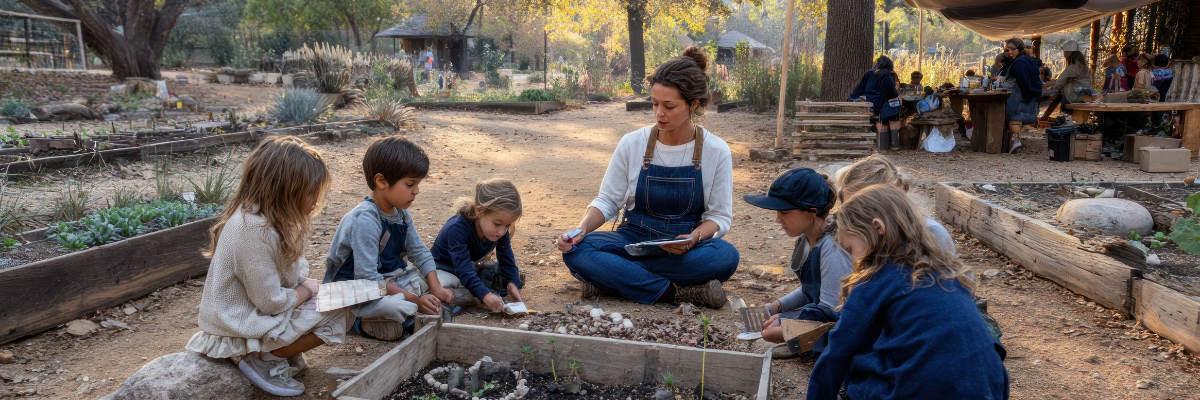
Engagement Cues
Visual Cues to Watch For:
- Eye contact and focus: Are they looking at you, the book, or wandering around the room?
- Body positioning: Leaning in shows interest, while turning away or fidgeting suggests waning attention
- Facial expressions: Genuine smiles, raised eyebrows of surprise, or glazed-over looks
- Physical restlessness: Bouncing, wiggling, or getting up frequently
Verbal and Vocal Engagement Signals:
- Active participation: Asking questions, making predictions, or commenting on the story
- Voice tone changes: Excitement, boredom, or distraction are often audible
- Response speed: Quick answers suggest engagement, while delayed responses may indicate mental drift
- Spontaneous reactions: Gasps, giggles, or “oh no!” moments show they’re invested
Energy Level Indicators:
- Sudden bursts of enthusiasm or noticeable energy drops
- Changes in their usual participation patterns
- Time of day factors: Some kids are more engaged in morning vs. evening
Quick Pivot Strategies When Attention Wanes:
- Switch to silly voices or accents for different characters
- Ask the child to read dialogue or sound effects
- Take a movement break: act out scenes or stretch
- Let them choose what happens next or predict outcomes
- Switch to a shorter book or different genre entirely
- Use props, drawings, or interactive elements
Age-Specific Adjustments:
- Toddlers: Watch for physical movement cues and very short attention spans
- School-age: Notice when they stop asking questions or making connections
- Teens: Look for subtle disengagement like phone checking or one-word responses
The key is staying flexible and remembering that losing attention isn’t failure—it’s valuable information about what works best for your child.
Finish Course Early?
You have not completed all required lessons and assessments.
Your Progress
0%